AI Automation10 min read
Email Automation Beyond Newsletters: Lifecycle Flows for Service Businesses
The newsletter was never the machine. The six lifecycle emails that move service revenue — enquiry, quote, onboarding, delivery, close and dormancy — with timing, human gates, and the event wiring underneath.
BurTech Solution
Engineering team
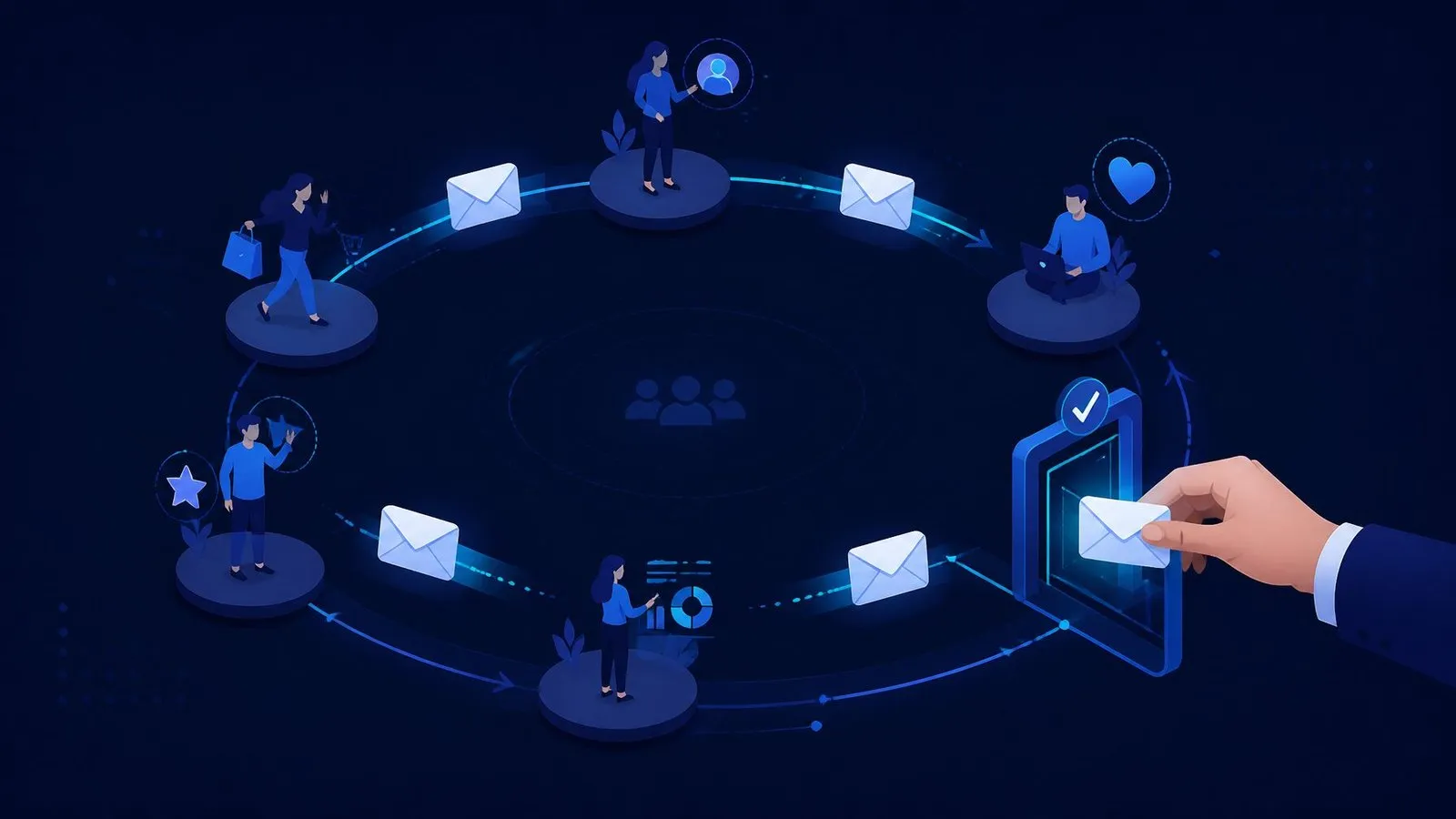
Ask a service business about email automation and you will usually hear about the newsletter — the monthly digest assembled under deadline guilt, sent to everyone, opened by few. Meanwhile the emails that actually move revenue — the reply a new enquiry gets in the first five minutes, the follow-up a quote receives on day three, the check-in halfway through a project, the referral ask after a happy delivery — are all being typed by hand, late, or not at all.
This guide maps the full lifecycle for service businesses — consultancies, agencies, trades, clinics, studios — and builds the flow for each stage: enquiry, quote, onboarding, delivery, close, and the long quiet afterward. The newsletter can stay; it was just never the machine. With timing, templates-in-miniature, the human gates that keep automated mail honest, and the wiring underneath.
The lifecycle, mapped
Every service engagement walks the same road: a stranger enquires; the enquiry becomes a conversation; the conversation becomes a quote; the quote becomes a yes (or a quiet no); the yes becomes onboarding, then delivery, then a finished project; and the finished project becomes either a repeat relationship, a referral engine, or a contact that goes quietly dormant. Each transition is an event — form submitted, quote sent, proposal signed, project closed, silence reached — and events are what automation listens for. The insight that reframes the whole topic: a service business does not need “email marketing”; it needs the right sentence arriving reliably at six specific moments, most of which are currently entrusted to the busiest person in the company’s memory.
Stage one: the five-minute acknowledgement
Lead response time is the most lopsided statistic in services: the odds of a meaningful conversation collapse as minutes pass, because the enquirer — who has three of your competitors’ tabs open — books the first credible reply. Automation wins this race without pretending to be human at a depth it cannot sustain: the instant the form webhook fires, the acknowledgement goes out — referencing what they actually asked about (“Thanks for the note about the kitchen renovation”), stating honestly when a person will reply (“Burhanuddin will come back to you today before 5”), and offering one useful thing meanwhile: the relevant case study, the pricing guide, the calendar link. Where the pipeline includes an AI drafting step, the personalised reply can be ready for one-tap human approval within the same five minutes — the pattern our human-in-the-loop guide treats at length: machine speed, human accountability.
What the acknowledgement must never do is fake depth — no pseudo-personal essay pretending the founder wrote it at 11 p.m. Its honest jobs are speed, specificity and a promise with a deadline the human then keeps. The keeping is what converts; the automation just makes sure the race was never lost in the opening minutes.
Stage two: the quote that refuses to die of silence
Most quotes are not rejected; they are shelved — the recipient got busy, the decision needed a spouse or a board, the tab closed. Yet most service businesses send a quote into that silence exactly once. The rescue sequence is two touches, both light: day 3 — “any questions on the quote? Happy to walk through it on a ten-minute call” (an invitation, not a chase); day 8–10 — one piece of decision-relevant substance: the case study matching their project, an answer to the objection this service most commonly meets, or a note on scheduling reality (“we’re currently booking three weeks out” — stated as fact, never as pressure theatrics). Then stop, with the door explicitly open. Sequences that continue past two touches convert almost nothing further and quietly poison referral goodwill.
The quiet superpower of this flow is what it frees the human to do: with routine follow-up guaranteed by machinery, the salesperson’s attention goes to the deals showing signals — the reply, the call request, the second visit to the pricing page — which the same event wiring can surface as notifications. Automation runs the routine; humans run the exceptions. That division, once installed, is the whole operating system of a good pipeline — and it is the reason this flow belongs in the same project as your CRM setup rather than after it.
Stage three: onboarding, or the anxiety window
The moment after signing is emotionally identical to the moment after an online purchase: money committed, control surrendered, reassurance craved. The onboarding flow answers it in two beats. Immediately on signature: the welcome that makes the decision feel smart — what happens next and when, who their contact is (name, face, direct line), what you need from them stated as a short checklist, and how questions get answered along the way. A few days in: the expectation-setter most firms skip — how the project will actually feel: “weeks two and three are quiet ones on your side; that’s the build happening, not the project stalling.” Every client-services veteran knows the mid-project “is anything happening?” email; this flow pre-empts it for the cost of one honest paragraph written once.
Onboarding is also where information-gathering belongs — the brand assets, the access credentials, the questionnaire — and automation’s gift here is persistence without awkwardness: the checklist email can nudge gently on its own (“still missing the logo files — no rush, but the design week needs them”) so no human has to choose between chasing a brand-new client and letting the timeline slip. The machine plays the patient administrator; the humans stay the trusted experts. Getting this division right at the start of the relationship sets its tone for everything after.
Stage four: the delivery heartbeat
During delivery, the single automated email that matters is the rhythm beat: a short, regular status note — weekly for most engagements — assembled from the project management system’s own state: what moved, what’s next, anything needed. Automation drafts it from real data; a human glances and sends, because a status email that is wrong is worse than none. The beat’s value is disproportionate to its content: clients who hear a steady heartbeat do not chase, do not quietly panic, and do not discover at week six that their expectations diverged at week two. Silence, in client services, is never neutral — it is always being filled with the client’s imagination, and the imagination bills anxiety at a premium.
The second automated message in this stage is conditional: the milestone note when something a client cares about completes — staging link ready, first draft delivered, phase signed off. Trigger it from the event itself, keep it celebratory and specific, and let it carry the one question that stage genuinely needs answered. Both beats together cost the team nothing once wired — they read as diligence, and they are, in the exact sense that diligence is now a system property instead of a personality trait.
Stage five: the close that seeds the next client
Project close is the service business’s peak-trust moment — the deliverable is fresh, the relief is real, the goodwill is at its lifetime high — and it is routinely spent on an invoice and a handshake. The close flow spends it properly, in sequence. On close: the wrap-up — what was delivered, where everything lives, how support works from here — the email the client forwards internally, so make it forwardable. One to two weeks later: the check-in: “now that you’ve lived with it — anything need adjusting?” (the service twin of ecommerce’s delivery check-in, with the same review-protecting economics). Then, and only after the check-in came back clean: the advocacy ask — testimonial or referral, one ask, specific and effortless: “would you write two sentences about what changed?” beats “please leave us a review anywhere.” Sequenced this way, the ask lands on demonstrated satisfaction rather than hope — and the difference shows in both the yes-rate and the quality of what gets written.
Stage six: the long quiet, tended
After close, most service relationships enter their longest phase: nothing happening, on purpose. The dormant flow keeps the relationship warm without pestering: a genuinely useful note every quarter or so — what changed in their world (“the platform your site runs on ships a major update next month; here’s what it means for you”), not what changed in yours — plus the annual service-anniversary check: “it’s been a year since the build; want the health-check?” For businesses with natural maintenance cycles — sites need audits, campaigns need refreshes, systems need reviews — this flow is where repeat revenue actually lives, and it is the difference between a client list and an asset. The newsletter, if you keep one, belongs here too — demoted from strategy to instrument: one useful send, to people who know you, as one voice among the lifecycle’s many, rather than the entire program carrying revenue expectations it was never built for.
The map on one screen
| Stage | Trigger | The email’s one job | Human gate? |
|---|---|---|---|
| Enquiry | Form webhook | Speed + a kept promise | Reply itself is human (or gated draft) |
| Quote | Quote sent + days elapsed | Rescue the shelved, twice, lightly | Template auto-sends; replies route to human |
| Onboarding | Signature; missing checklist items | Reassure, set expectations, gather inputs | Welcome gated once, then auto |
| Delivery | Weekly rhythm; milestone events | Heartbeat against imagination | Drafted from data, human glance to send |
| Close | Project closed; clean check-in | Wrap, check, then one advocacy ask | Ask fires only after clean check-in |
| Dormancy | Quarterly; service anniversary | Stay useful, surface repeat work | Content human-written, sending automated |
The wiring underneath
Everything above runs on events your stack already produces: the form platform’s submission webhook, the CRM’s stage changes (quote sent, deal won), the project tool’s milestone completions, the calendar’s booked calls, and simple elapsed-time conditions on top. An orchestrator listens, applies the rules, drafts from templates plus live data, and either sends or queues for the one-tap human gate — the same architecture, at the same modest scale, as every automation this blog has built. The build order that pays fastest mirrors the leverage: enquiry acknowledgement first (an afternoon, immediate revenue logic), quote follow-up second, close sequence third — those three touch money directly — then onboarding, heartbeat and dormancy as the operational dividends. A business starting from zero can wire the first three in a week alongside its CRM foundation; the full lifecycle is a two-to-three-week engagement including copy.
What this machine must never do
Three refusals keep lifecycle automation on the right side of the line. Never simulate intimacy: automated mail may be warm, specific and fast, but it does not pretend to be a hand-typed note from the founder — clients forgive machinery; they do not forgive being fooled by it. Never outrun the relationship’s state: the frequency cap and the problem-pause rule from the ecommerce playbook apply doubled here, because a service relationship wounded by a tone-deaf automated nudge (a chase email landing during a live complaint) can lose a five-figure engagement. Never automate the apology, the negotiation or the bad news: the moments that define the relationship are precisely the ones that must cost human time — that cost is the message. The machine exists to guarantee the routine so the humans are present for exactly those moments.
Measuring the machine
Each flow carries one honest number: enquiry — median minutes to first response (watch it fall from hours to minutes); quote — share of quotes receiving any reply within two weeks (silence is the enemy being measured); onboarding — days from signature to complete inputs; delivery — count of client-initiated “status?” emails (the metric that should approach zero); close — testimonials and referrals per ten projects; dormancy — repeat engagements per year from past clients. None of these require analytics sophistication; all of them are visible in the CRM this machine keeps clean as a side effect. Review quarterly, and treat any flow nobody would miss as a flow to delete — lifecycle automation earns trust by being sparse and right, not busy.
A starter week, concretely
For the business that wants motion before strategy: Monday, wire the form webhook to an instant acknowledgement with one honest promise and add the calendar link. Tuesday, write the two quote follow-up templates and set their day-3 and day-9 triggers from the CRM’s “quote sent” stage. Wednesday, draft the welcome and expectation-setter for onboarding. Thursday, connect the project tool’s weekly digest to a human-reviewed heartbeat. Friday, write the close wrap-up and the check-in, and schedule the advocacy ask behind it. Five days, six templates, one orchestrator — and every future client of the business meets a firm that answers in minutes, follows up without fail, and never goes quiet mid-project. The compounding starts immediately; the polishing can take the rest of the year.
The bottom line
A service business runs on perhaps six emails that matter — the fast hello, the rescued quote, the reassuring welcome, the steady heartbeat, the well-timed ask, the useful quarterly note — and every one of them is currently competing for space in someone’s overloaded memory. Move them into machinery: event-triggered, honestly automated, gated where judgment lives, sparse enough to stay welcome. The team’s attention returns to the work and the exceptional moments; the routine becomes a system property; and the pipeline stops leaking at the seams nobody was watching.
Frequently asked questions
Do lifecycle emails feel impersonal to clients?
Only when they pretend otherwise. An instant acknowledgement that names the enquiry, a weekly status drawn from real project data, a check-in that a human genuinely reads — clients experience these as attentiveness, because that is what they operationally are. Impersonality creeps in through fakery (simulated hand-typed notes) and tone-deafness (a chase during a complaint), both of which the gates and pause rules exist to prevent.
What should a service business automate first?
The enquiry acknowledgement — an afternoon of work sitting directly on the revenue line, since speed-to-lead decides more deals than any later email. Quote follow-up is the fast second: two light touches that rescue shelved decisions. Everything else compounds from there in the order the lifecycle runs.
Which tools does this require?
A form that emits webhooks, a CRM with stage events, an email platform or orchestrator that can listen and send, and — for the delivery heartbeat — a project tool with a queryable state. Every mainstream option in each category qualifies; the machine is architecture, not shopping. Our builds default to the self-hosted orchestrator economics covered in n8n vs Zapier, but the flows are portable across stacks.
How is this different from marketing automation?
Marketing automation nurtures strangers toward a first purchase; lifecycle automation stewards known relationships through delivery and beyond. The overlap is tooling; the difference is stakes and tone — mid-relationship email represents the firm to someone already paying it, which is why gates, caps and the three refusals matter here in a way no lead-nurture sequence requires.
Written by
BurTech Solution
Engineering team
The BurTech Solution engineering team designs, builds and maintains AI automation, ecommerce stores, SaaS and custom software for growing businesses. Everything on this blog comes from work we ship for clients and run ourselves.
Keep reading
More on ai automation.
AI Automation9 min read
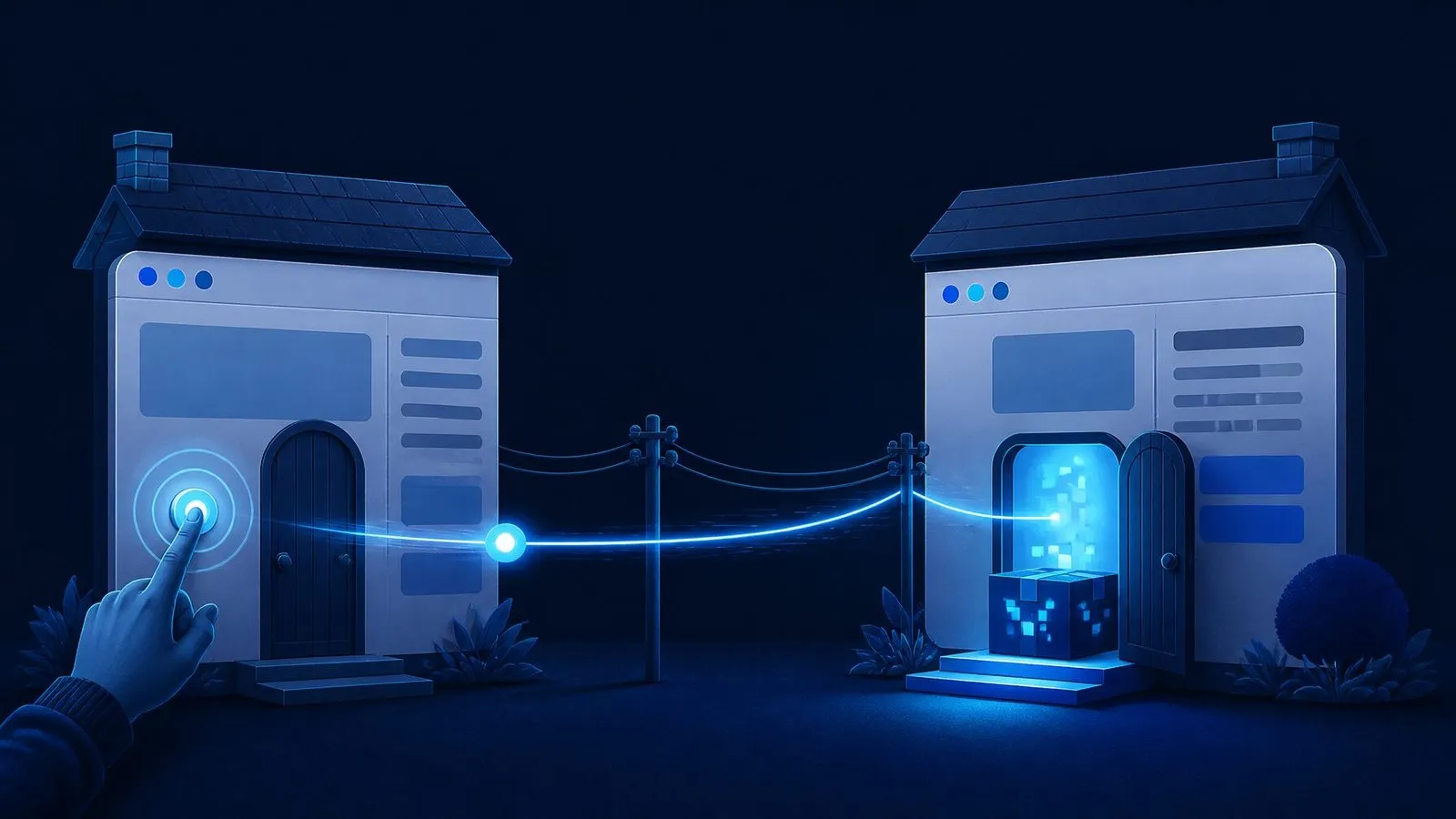
Webhooks Explained for Non-Developers: The Glue Behind Modern Automation
A webhook is a doorbell between apps: push instead of poll. The full plain-English model — events, endpoints, payloads — plus failure handling, security questions worth asking, and where webhooks sit in your automations.
Read the article →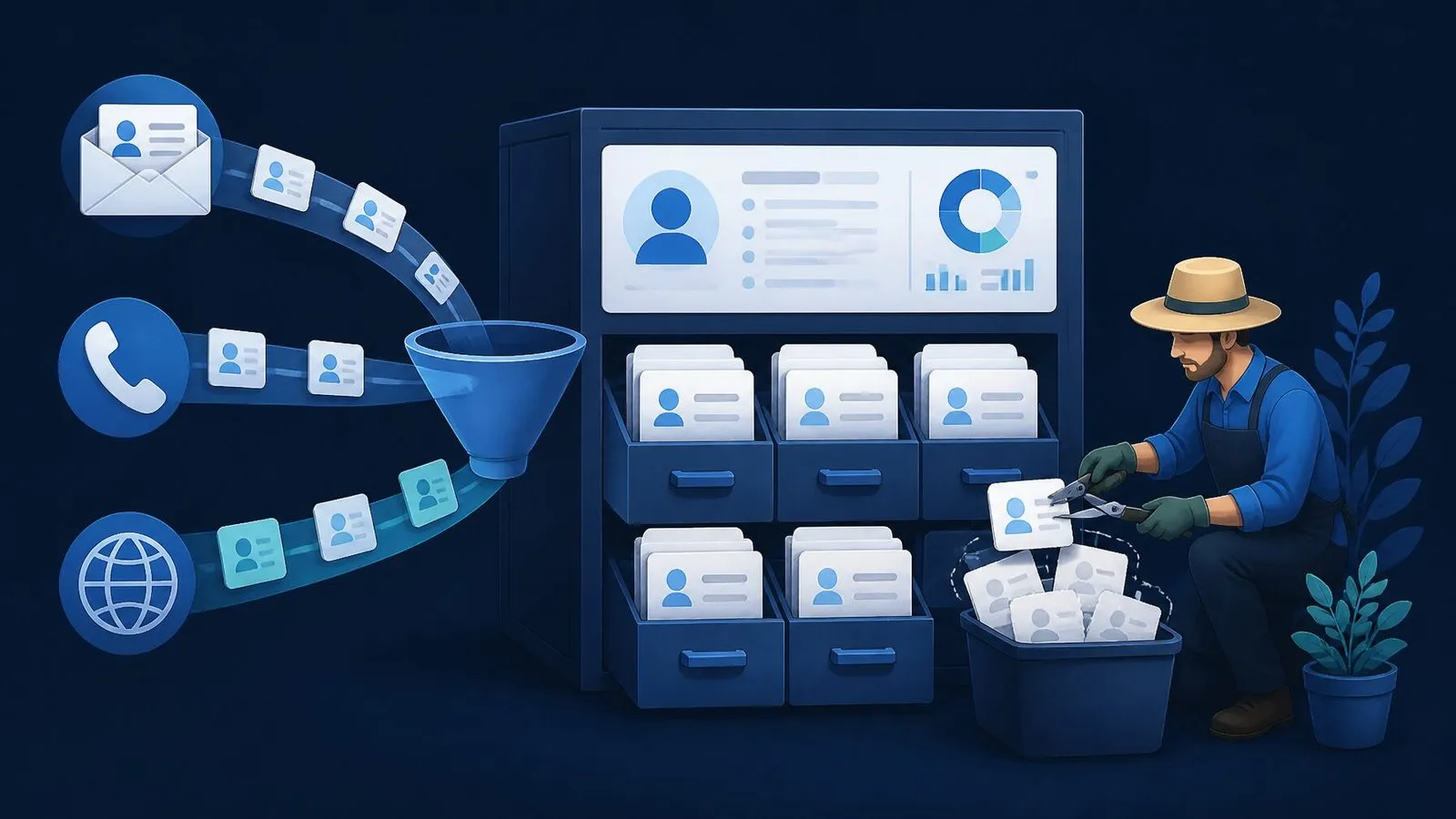
AI Automation9 min read
How to Choose Your First CRM (and Wire It So It Stays Clean)
First CRMs fail by over-buying or under-wiring. The four requirements that outrank feature grids, the shortlist logic, the automation that makes adoption automatic, and the hygiene that keeps the data trustworthy.
Read the article →
AI Automation10 min read
The Real Cost of Manual Data Entry (and the 3-Week Fix)
Manual data entry hides four costs — hours, errors, latency and morale — and none appear on a P&L. The full cost model with worked examples, and the three-week fix that retires the whole category.
Read the article →